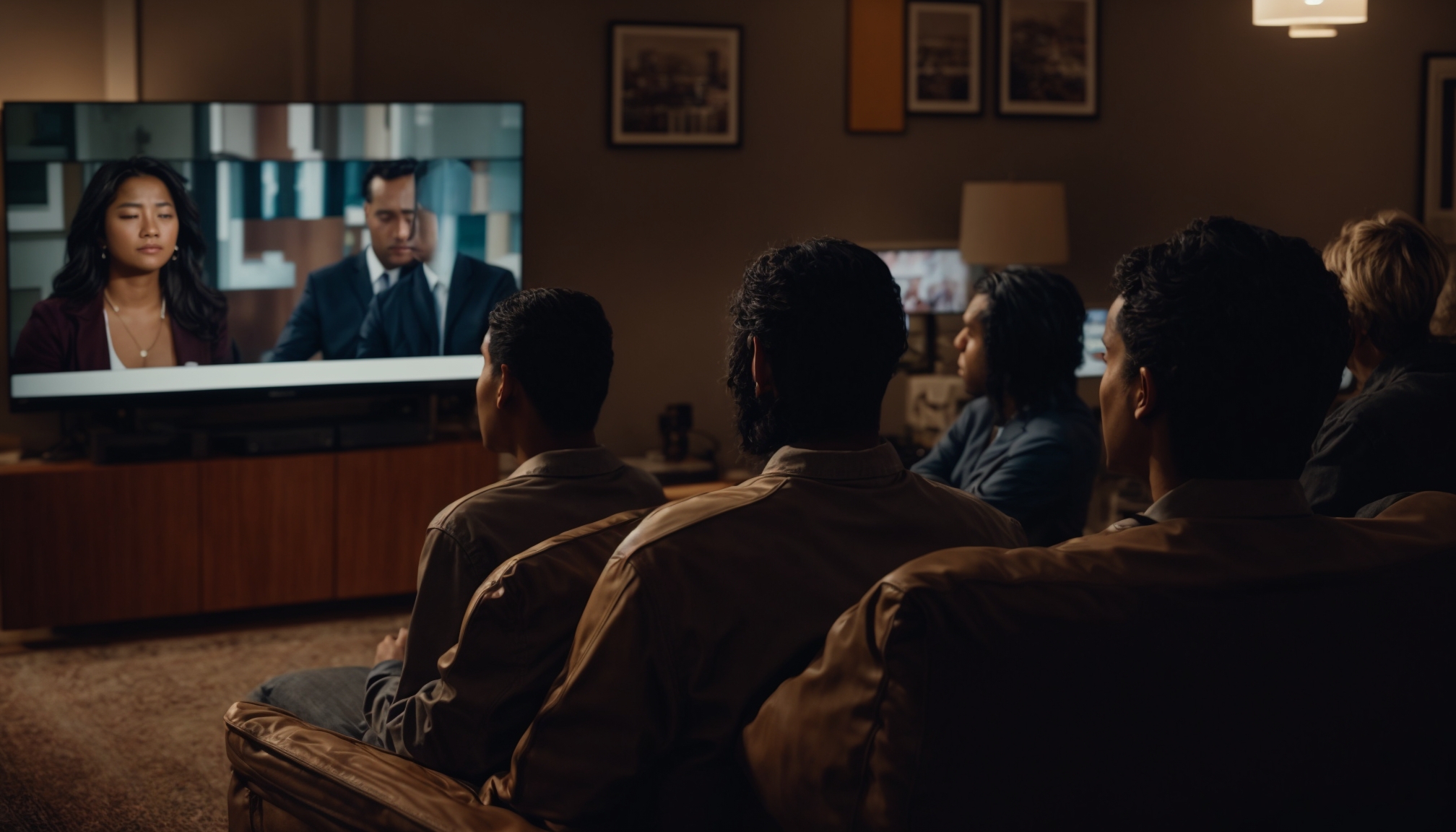
Josh Shear – As politics feels like content across platforms, outrage clips now overshadow real policy debates and reshape public life.
Over the past decade, political communication shifted from speeches and reports to short viral moments. Platforms reward engagement, so politicians chase attention. As a result, when politics feels like content, every gesture, meme, and gaffe becomes more valuable than careful lawmaking.
Instead of long hearings, people see 20-second highlights designed to provoke. However, policy consequences last for years, while clips disappear in hours. This gap turns politics into a spectacle, even when decisions affect jobs, safety, and basic rights.
Furthermore, media outlets now compete in the same attention market as influencers. Headlines, thumbnails, and hot takes must survive in a crowded feed. When politics feels like content, sober analysis loses space to emotional, simplified narratives.
Social platforms optimize for time-on-app and interaction. Therefore, posts that trigger anger, fear, or tribal loyalty spread fastest. When politics feels like content, these emotional spikes become a currency for creators and campaigns.
Outrage performs well because it is easy to understand and quick to share. A complex budget reform rarely goes viral. A 10-second insult from a debate often does. On the other hand, slow, careful explanations rarely compete with inflammatory soundbites.
As a result, politicians learn what “works” in the feed. They test messages, watch metrics, and adjust. In this environment, politics feels like content because it is literally A/B tested like marketing copy for a brand.
When public life moves into a permanent content cycle, citizens slowly become spectators. They scroll, react, and comment but join fewer meetings, unions, or local groups. Because politics feels like content, involvement looks like posting, not organizing.
This shift has consequences. Real influence usually comes from collective action and institutions. Meanwhile, platforms encourage individual expression over shared strategy. People feel informed but also powerless, as if politics is a show with fixed characters and scripts.
Even voting can start to feel like rating a series finale rather than choosing a direction for the next four years. Meski begitu, elections decide budgets, climate policies, and public health rules. Yet when politics feels like content, these stakes fade behind the drama.
Baca Juga: How social media turned political anger into engagement fuel
Traditional newsrooms, independent creators, and political influencers now share the same platforms. They chase the same metrics: views, clicks, and watch time. As politics feels like content, ethical lines blur under pressure to keep audiences hooked.
Some creators build entire brands around daily political rage. Their income depends on constant scandal, so calm or compromise becomes bad for business. Akibatnya, even small disputes receive maximum spin. Drama is never allowed to cool, because a cooler climate brings fewer views.
Meanwhile, major outlets face shrinking ad revenue and rising competition. They adapt to the content logic, highlighting conflict-heavy segments on social media. When politics feels like content, editorial judgment risks bending toward the loudest, not the most important, stories.
There is also a mental toll. Constant exposure to dramatic clips creates a sense of permanent crisis. Because politics feels like content, people experience politics as endless emotional whiplash.
Short, intense bursts of news can trigger anxiety and fatigue. After that, many people disengage to protect themselves. However, disengagement can strengthen extreme voices, which remain active and highly visible.
In addition, the content format encourages simplified “good versus evil” frames. Nuance feels boring. Sementara itu, complexity is the norm in policy design. When politics feels like content, simplification can lead to cynicism: if nothing is fully explained, everything starts to look fake.
Modern campaigns now plan for both television and TikTok. They design message arcs, meme moments, and shareable lines. In practice, politics feels like content because campaigns build it that way from the start.
Advisers track trends and hijack them with political twists. A celebrity feud, a viral dance, or a sports upset can become a metaphor for a policy fight. Karena itu, serious agendas blend with entertainment cycles until the two are hard to separate.
The danger appears when leaders prioritize moments that “play well online” over decisions that improve real conditions. When politics feels like content, governing can become a backdrop to the production of the next clip.
Despite these pressures, people are not powerless. Even when politics feels like content, audiences still choose what to reward. Small shifts in habits can change incentives.
First, slowing down helps. Reading full articles, watching full hearings, or checking primary documents reduces dependence on short clips. Selain itu, following a few trusted sources instead of hundreds of accounts can lower noise.
Second, people can support outlets and creators who resist cheap outrage. Subscriptions, donations, and shares send a signal that depth has value. When audiences demand more than viral anger, politics feels like content a bit less and public service a bit more.
Third, offline engagement matters. Joining local meetings, associations, or campaigns turns spectators into participants. Di sisi lain, if political energy remains trapped inside platforms, the spectacle keeps winning.
Ultimately, democracy depends on attention as well as institutions. If politics feels like content and nothing more, decisions drift toward those who best hack the feed. By rebuilding habits of careful listening, patient reading, and real-world organizing, citizens can ensure that though politics feels like content on the surface, its substance still shapes a fairer, more accountable society.
This website uses cookies.
