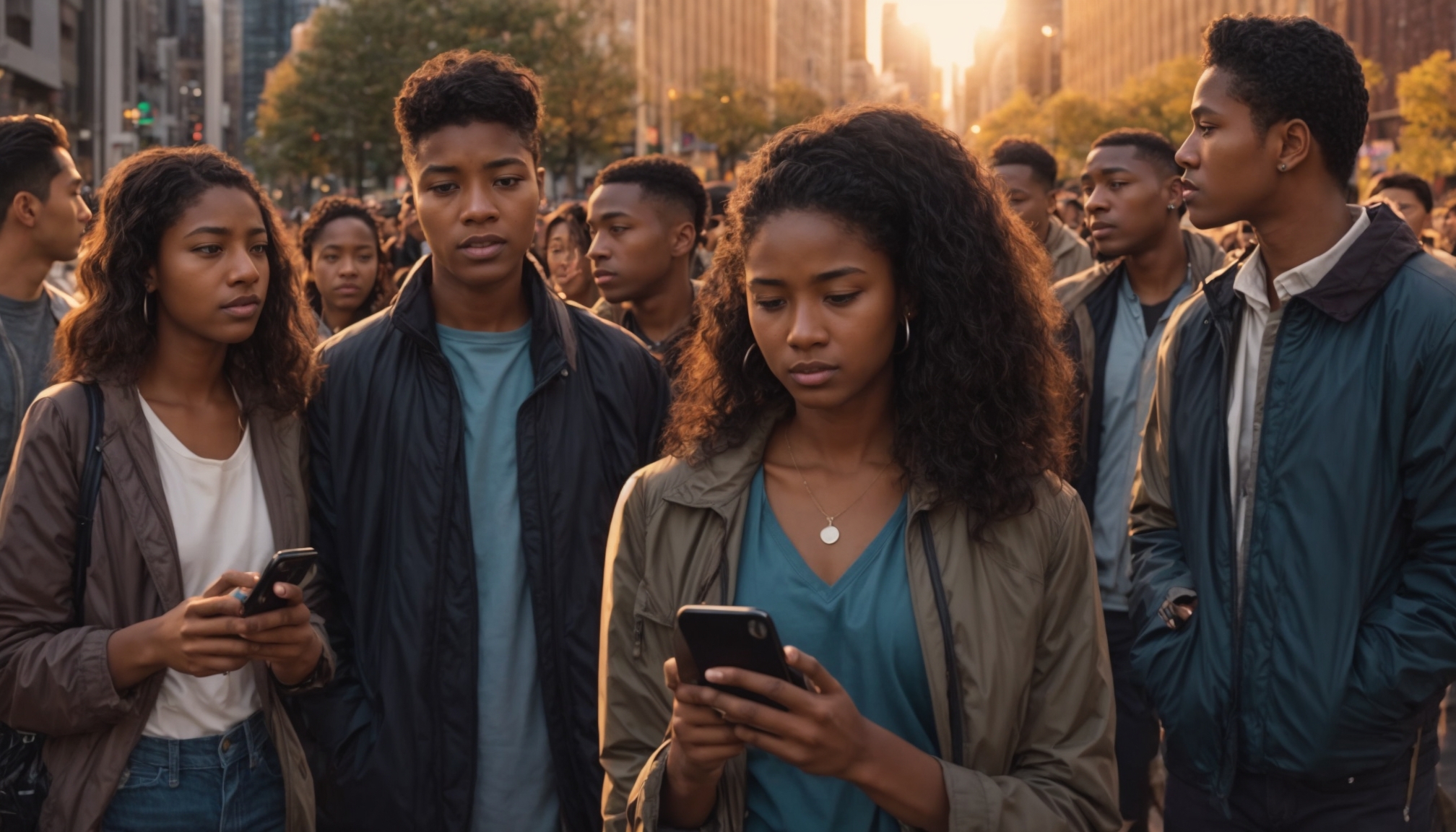
Josh Shear – The rapid spread of social media has pushed the debate on citizen journalism helpful or harmful into the spotlight as ordinary people publish news in real time.
Citizen journalism describes news and information produced by non-professional reporters. Anyone with a smartphone can record events, post updates, and reach a global audience. This change challenges traditional media structures and forces newsrooms to adapt quickly.
Supporters say this movement boosts media diversity and speeds up reporting. However, critics worry about accuracy, bias, and missing context. The core question—citizen journalism helpful or harmful—now shapes how people judge online information.
Traditional journalists follow editorial standards, legal checks, and fact-verification steps. Citizen reporters, in contrast, often act alone. As a result, their content can be powerful and raw, yet also incomplete or misleading. This tension creates new responsibilities for both creators and audiences.
Citizen reporting offers unique advantages in breaking news situations. Eyewitnesses on the ground can share photos, videos, and updates before any newsroom arrives. Therefore, crises, protests, and natural disasters often reach global attention thanks to ordinary people.
First, citizen journalists expand coverage into communities that traditional media sometimes ignore. Marginalized voices gain direct channels to speak about local problems. In addition, they highlight stories that might otherwise remain invisible due to limited newsroom resources.
Second, citizen reports can hold authorities accountable. Viral videos of abuse, corruption, or negligence force quick responses from officials. In these cases, many observers clearly see citizen journalism helpful or harmful as more than a theory; it becomes a real social question with legal and political impact.
Third, citizen journalism encourages media participation. People no longer feel like passive consumers. Instead, they become active contributors, sharing evidence, documents, or on-the-ground details that help complete the public record.
Despite its strengths, citizen reporting carries serious risks. The lack of formal training means many contributors do not verify information thoroughly. Rumors, edited clips, or old images can spread as “breaking news”. As a result, communities may face panic, reputational harm, or even violence.
On the other hand, emotional involvement can distort coverage. A citizen reporter inside a conflict may emphasize one side and ignore another. Biased storytelling can deepen existing divisions and reduce trust among different groups.
Privacy is another problem. People are filmed and posted online without consent, sometimes in vulnerable situations. Once uploaded, such content is hard to remove. This reality makes the question citizen journalism helpful or harmful feel urgent for victims of exposure and misrepresentation.
In extreme cases, misinformation shared by citizens can interfere with rescue operations, elections, or public health measures. Unverified medical tips, fake quotes, or altered documents can mislead thousands within minutes.
Professional newsrooms now operate in an environment filled with citizen content. Many journalists monitor social networks to find leads, photos, and videos. However, they still must verify authenticity before publishing, which keeps editorial standards in play.
Some media outlets collaborate with local citizen reporters. They provide training about ethics, safety, and basic fact-checking. In return, newsrooms gain access to regions or communities they cannot cover daily. This partnership can turn the citizen journalism helpful or harmful dilemma toward more positive outcomes.
Nevertheless, tensions remain. Professionals sometimes feel undermined by fast, unfiltered posts. Audiences may trust viral clips more than thoroughly researched investigations. Building bridges between these two sides remains crucial for a healthy information ecosystem.
Ordinary readers and viewers play a central role. They decide what to share, believe, or challenge. Therefore, media literacy becomes essential. People must learn to question sources, request context, and compare multiple reports before forming opinions.
First, audiences can check whether posts include clear time, place, and origin. Anonymous or recycled content deserves extra scrutiny. Second, they can search for confirmation from other outlets. If reliable media cannot verify a dramatic claim, caution is wise.
Third, users should recognize their own biases. Many people share posts that support their existing views. This habit strengthens echo chambers and spreads half-truths. Self-awareness helps reduce the risk that citizen journalism helpful or harmful outcomes tilt toward harm.
Baca Juga: Read More: how social media transformed modern news consumption patterns globally
Finally, platforms can assist by labeling disputed content, linking to background information, or adjusting algorithms. However, these tools must be transparent and accountable to avoid censorship concerns.
Clear ethical principles can reduce damage without silencing valuable voices. Basic rules include verifying facts, protecting vulnerable people, and avoiding hate speech. Even simple checks, such as reversing an image search, can prevent spreading hoaxes.
Respecting privacy is critical. Faces of children, victims of violence, or people in medical distress should be blurred or left unpublished. In addition, citizen reporters should consider legal risks. Defamation, incitement, or leaking sensitive data can lead to lawsuits.
Communities, schools, and civil society groups can provide short workshops on these topics. When more people understand ethical boundaries, the balance of citizen journalism helpful or harmful can shift toward public benefit.
The debate over citizen journalism helpful or harmful will continue as technology evolves. New tools such as live streaming, encrypted messaging, and artificial intelligence editing will amplify both risks and opportunities.
Instead of choosing between citizens and professionals, societies can build mixed models. Trained journalists can verify, contextualize, and explain. Meanwhile, citizens can report quickly, provide local insight, and highlight neglected issues.
When audiences stay critical, platforms act responsibly, and contributors follow basic ethics, the trend leans toward citizen journalism helpful or harmful being mostly helpful. Ultimately, informed participation, not blind sharing, will decide how this powerful force shapes public life in the years ahead.
This website uses cookies.
