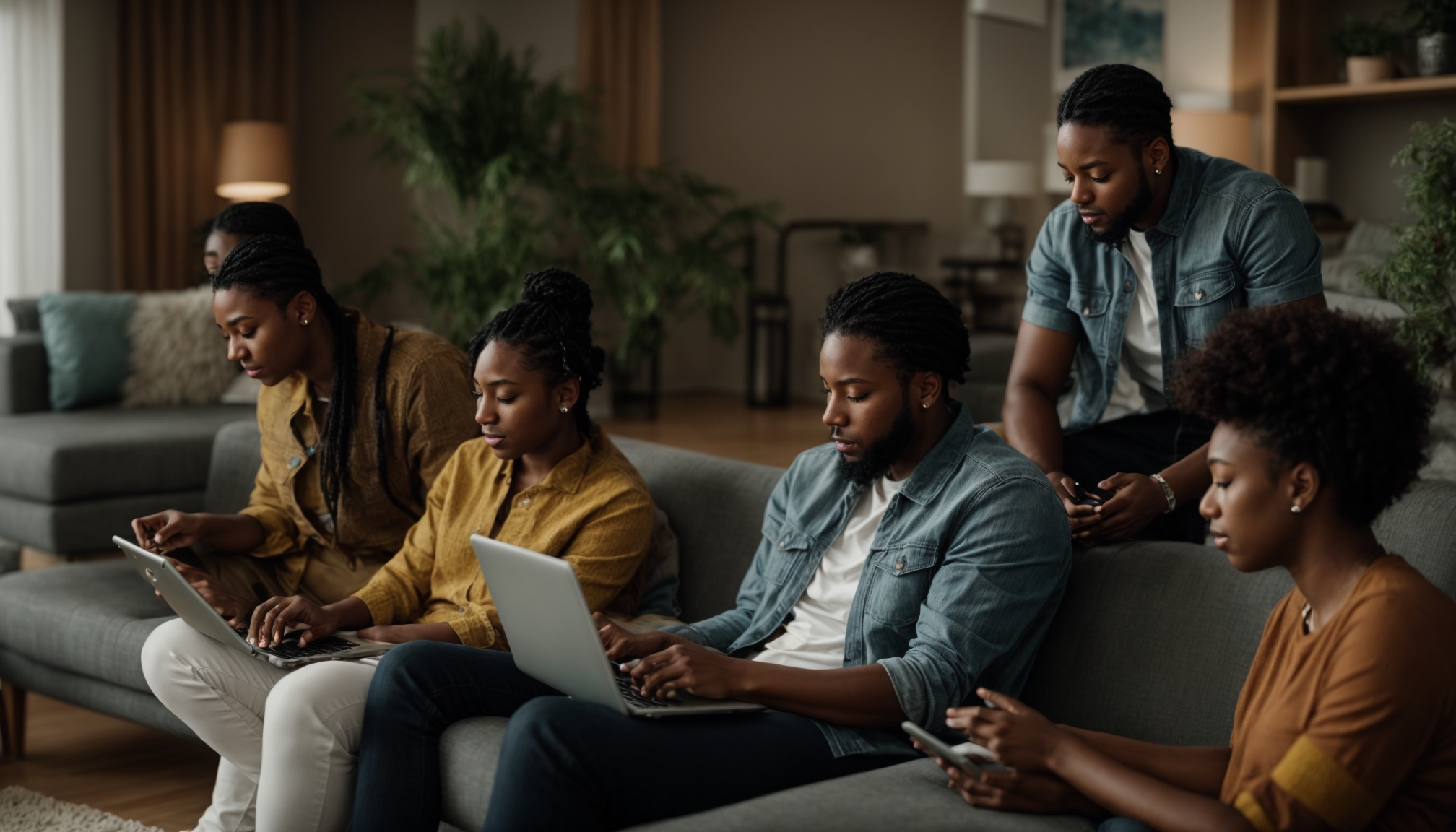
Josh Shear – the culture of online debate has transformed the way people engage with ideas and communicate across social platforms, influencing societal norms and public discourse.
The culture of online debate refers to the norms, behaviors, and dynamics that characterize discussions on digital platforms such as forums, social media, and comment sections. This culture often emphasizes quick responses, sharp wit, and sometimes contentious exchanges. While it fosters diversity of thought and broad participation, it can also lead to misunderstandings and polarization.
The culture of online debate significantly impacts public opinion by providing a space where multiple viewpoints are aired and challenged. Users can access a wide range of perspectives, but algorithms often prioritize emotionally charged content. This can amplify extreme opinions and create echo chambers, shaping how society perceives issues and influencing collective attitudes.
The culture of online debate affects social interaction by changing communication styles and expectations. It encourages brevity and directness, sometimes at the expense of nuance and empathy. This shift can foster engagement and activism but also causes social fragmentation. Additionally, the anonymity of online spaces can lead to increased hostility and less accountability.
To harness the potential of the culture of online debate positively, users and platform creators must promote respectful exchanges and critical thinking. Encouraging fact-checking, reducing misinformation, and moderating toxic behavior can help maintain a healthy environment that supports democratic participation and social cohesion.
Overall, the culture of online debate remains a powerful force shaping modern society’s interaction and viewpoints, influencing both individual perspectives and broader social narratives.
This website uses cookies.
