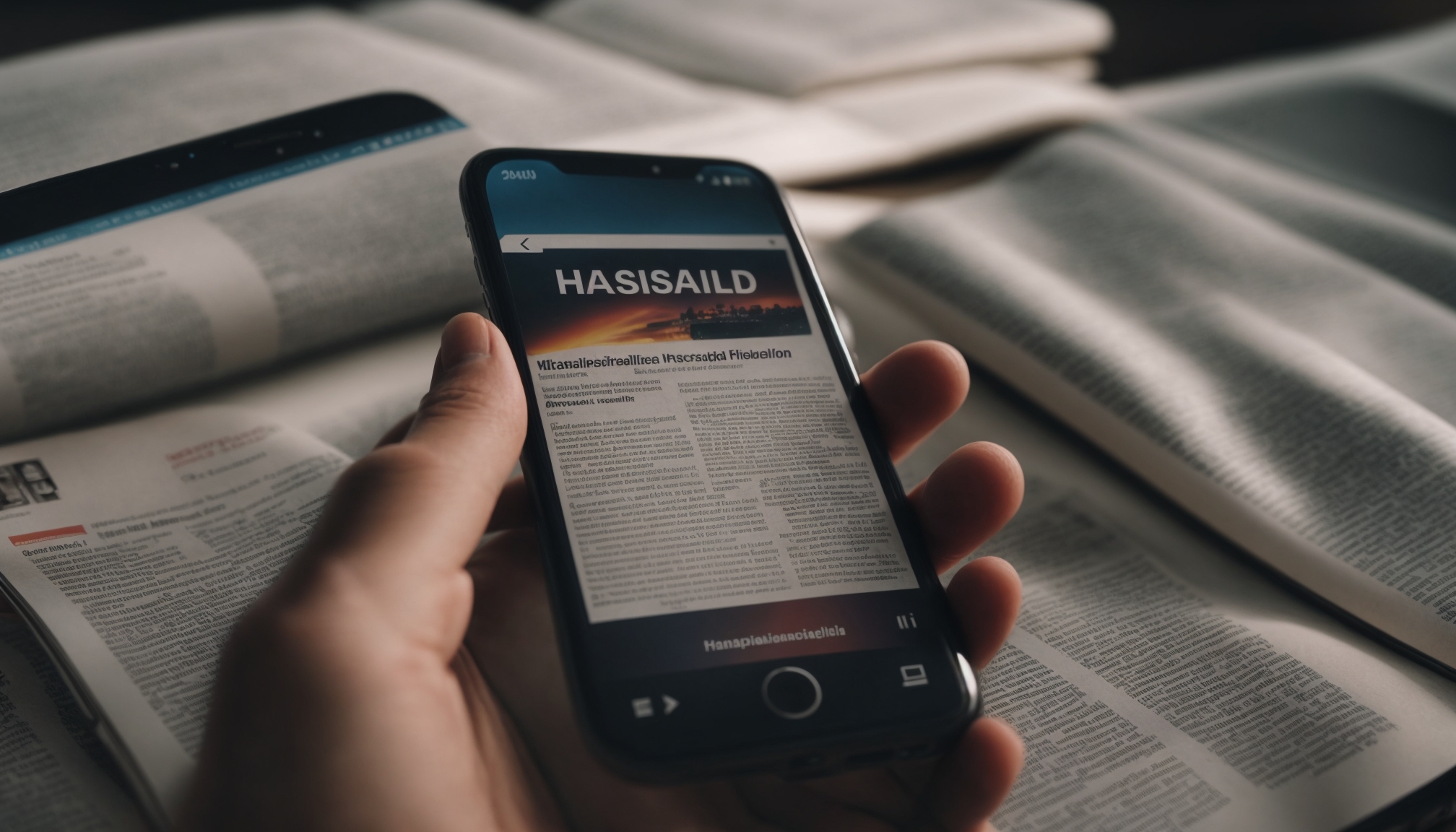
[SITE_NAME] – The constant news consumption effects have transformed how societies interact, perceive information, and shape cultural norms across the globe.
The constant influx of information through digital platforms has amplified the constant news consumption effects that influence everyday cultural dynamics. People now access news in real-time, making it a pivotal element in forming worldviews and social attitudes. This phenomenon impacts everything from public discourse to individual mental health.
One of the most prominent constant news consumption effects is the change in social behavior and communication patterns. Individuals increasingly rely on news updates to engage in conversations, shaping cultural narratives that can be fleeting and highly reactive to recent events. This immediacy sometimes fosters a sense of urgency but also risks superficial engagement.
Constant news consumption effects extend into cultural values and beliefs by influencing collective priorities and social justice awareness. Exposure to diverse perspectives can promote inclusivity, yet overwhelming exposure to negative news may lead to desensitization or increased anxiety. Media literacy becomes crucial in mitigating adverse effects.
Societies must navigate the challenges posed by constant news consumption effects to maintain mental well-being while staying informed. Establishing healthy news consumption habits supports critical thinking and prevents information fatigue. The balance between staying connected and protecting oneself emotionally underlines the cultural significance of media consumption.
The ongoing cultural transformation underscores that constant news consumption effects are not just about information flow but also about reshaping human interaction and societal expectations. For a deeper understanding, visit constant news consumption effects insights and guidelines.
This website uses cookies.
