How Deepfakes Are Changing Journalism Forever
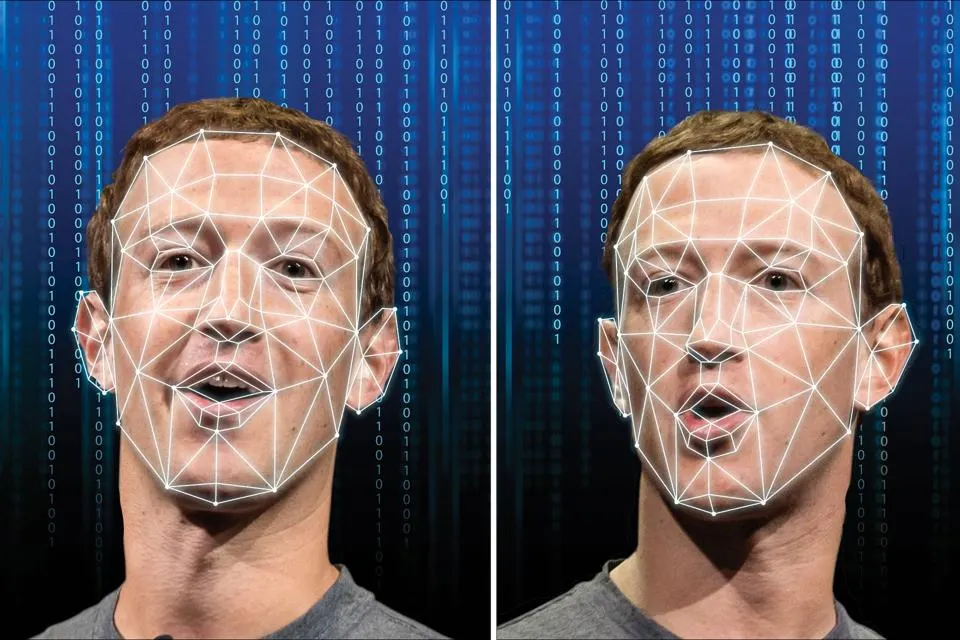
Josh Shear – Imagine watching a video of a world leader announcing a major policy shift only to discover it never happened. This is the reality journalists now face as how deepfakes change journalism in unprecedented ways. What began as a niche AI experiment has evolved into a powerful tool capable of reshaping public perception. While some see potential for innovative storytelling, others warn of an impending credibility crisis. As synthetic media becomes indistinguishable from reality, deepfakes change journalism from a profession of verification to one of constant skepticism. How is this technology rewriting the rules of news reporting, and can the industry adapt?
On one hand, deepfakes change journalism by enabling powerful visual storytelling. News organizations can recreate historical moments with stunning accuracy or simulate interviews with inaccessible sources. For instance, a documentary might use AI to “interview” a deceased civil rights leader, adding emotional depth to reporting. However, these same tools allow bad actors to fabricate events, manipulate stock markets, or incite social unrest. As deepfakes change journalism, the line between innovation and deception blurs dangerously.
Trust in traditional news outlets has declined for years, but deepfakes change journalism by accelerating this trend exponentially. When anyone can create convincing fake footage, even legitimate reporting faces heightened scrutiny. Recent surveys show 68% of consumers now question the authenticity of video evidence—a direct consequence of synthetic media proliferation. As deepfakes change journalism, newsrooms must invest in new verification methods or risk becoming obsolete.
In response to these threats, deepfakes change journalism by spawning a new industry of detection tools. Major media companies now employ AI scanners that analyze videos for digital fingerprints—subtle glitches in blinking patterns or unnatural shadow movements. Some organizations have created blockchain-based verification systems to timestamp authentic footage. Yet as detection improves, so does generation technology, creating an endless cycle. Deepfakes change journalism not just in practice, but in the very infrastructure of news verification.
The ethical implications of deepfakes change journalism in profound ways. Should outlets use synthetic media to illustrate stories if clearly labeled? Is it ethical to recreate a murder victim’s face for a true crime documentary? News organizations grapple with these questions as deepfakes change journalism standards overnight. Some have implemented strict bans, while others establish “AI ethics boards” to evaluate each case.
Surprisingly, deepfakes change journalism by creating investigative opportunities. Forensic journalists now use AI to analyze suspected deepfakes, tracing them to their sources. In one case, researchers identified a fake celebrity endorsement by examining background reflections that didn’t match the alleged filming location. As deepfakes change journalism, reporters develop hybrid skills combining traditional research with digital forensics.
Current laws haven’t caught up with how deepfakes change journalism. While some countries criminalize malicious synthetic media, most lack specific legislation. This legal gray area enables everything from fake political speeches to fabricated celebrity scandals. Until regulations evolve, deepfakes change journalism in a landscape where accountability remains scarce.
As deepfakes change journalism, media literacy becomes crucial. Experts recommend cross-referencing unusual reports with multiple sources, checking timestamps, and watching for unnatural speech patterns. Some suggest treating all sensational videos as potentially synthetic until verified. In this new era, critical thinking is the public’s best defense against manipulated content.
Rather than resisting the inevitable, forward-thinking journalists are exploring how deepfakes change journalism for the better. Imagine interactive stories where readers explore alternative scenarios, or educational content featuring historical figures “speaking” in their own words. The challenge lies in harnessing this power responsibly while maintaining transparency.
The transformation brought by how deepfakes change journalism is irreversible. News organizations must adapt by investing in verification technology, updating ethical guidelines, and educating audiences. While synthetic media presents risks, it also offers unprecedented storytelling tools. The journalists who thrive will be those who embrace these changes while upholding the core values of truth and accountability.
Josh Shear - A sudden shift in voter turnout this month, rising 12% compared to last year, highlights how intertwined…
Josh Shear - A sudden surge in cross‑sector commentary emerged this week as a leading political analyst posted a 1,200‑word…
Josh Shear - In the past year, 68% of active political bloggers reported a surge in cross‑partisan comments, according to…
Josh Shear - Political fragmentation and digital acceleration have rewired how culture is produced, consumed, and contested worldwide, with algorithmically…
Josh Shear - The traditional boundaries separating governance, societal norms, and digital innovation have collapsed, creating unprecedented politics culture tech…
Josh Shear - A comprehensive analysis of recent electoral patterns reveals a staggering 65% correlation between high-frequency social media usage…
This website uses cookies.
