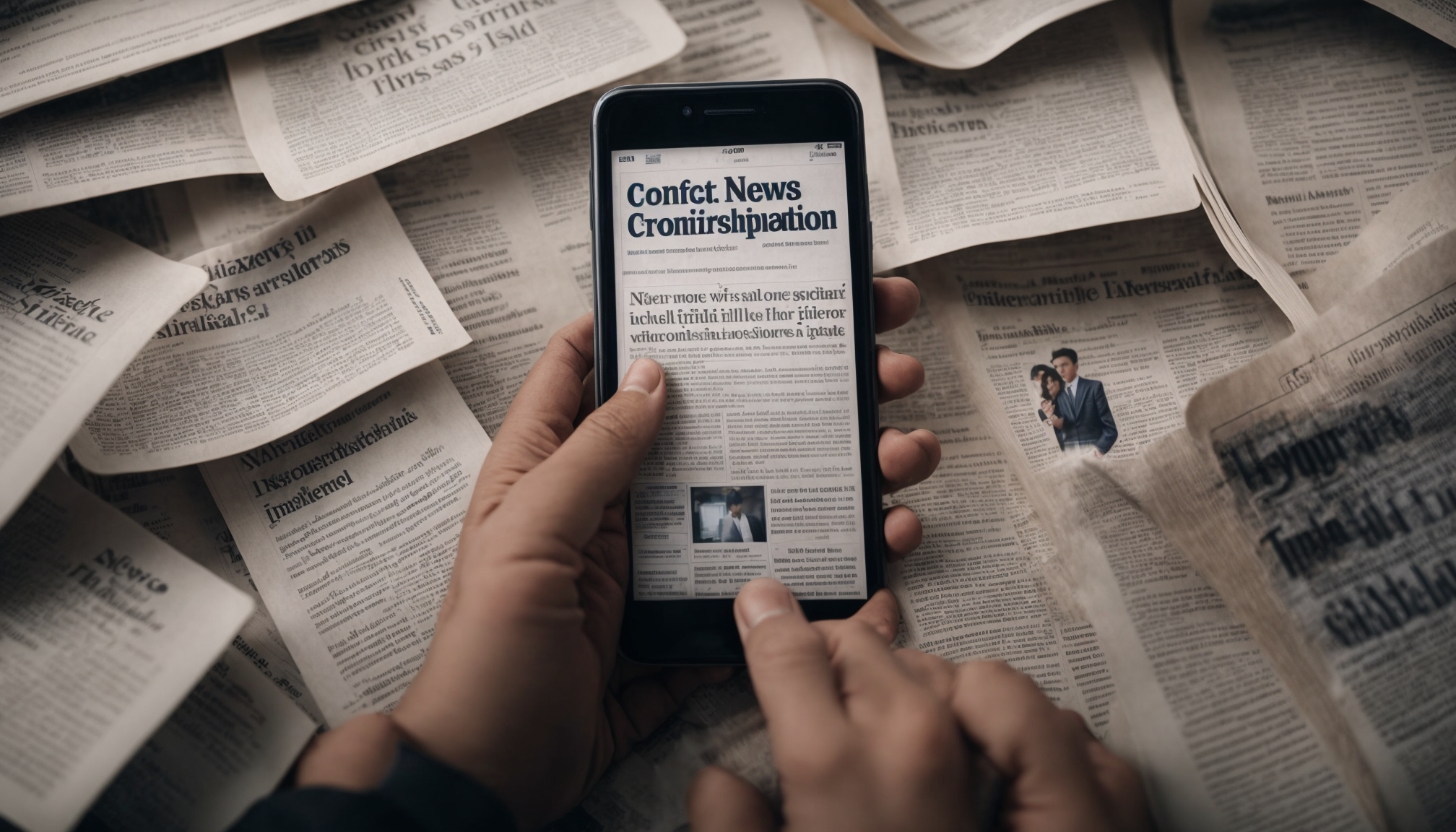
Josh Shear – the distinction between consuming news or conflict is increasingly blurred as media outlets focus on conflict-driven narratives to capture attention and drive engagement.
Consuming news or conflict involves different psychological and social dynamics. News should ideally inform the public with accurate and balanced reports, while conflict-driven content often highlights discord, controversies, and crises. This emphasis on conflict can distort public perception, making it challenging to discern objective facts from sensationalism.
Media organizations play a significant role in framing events. Repeated exposure to conflict-heavy stories can lead audiences to perceive the world as more hostile than it is, a phenomenon known as the “mean world syndrome.” As a result, consumers may become desensitized or overly anxious, affecting societal cohesion and trust in institutions.
Consumers must actively choose their news sources and critically evaluate the content they engage with to avoid falling into a trap of consuming news or conflict indiscriminately. Balancing sources, seeking out constructive journalism, and supporting fact-based reporting can help restore trust and promote informed dialogue.
Recognizing whether we are consuming news or just consuming conflict is essential for maintaining a healthy democracy and societal wellbeing. When the focus shifts too heavily toward conflict, it undermines constructive debate and the public’s ability to make informed decisions. Encouraging media literacy and balanced consumption habits can counteract these challenges.
In summary, the distinction between consuming news or conflict impacts how society engages with media and shapes public discourse. Audiences should remain vigilant to preserve the integrity of information in an era dominated by sensational headlines. For an in-depth perspective, visit consuming news or conflict.
This website uses cookies.
