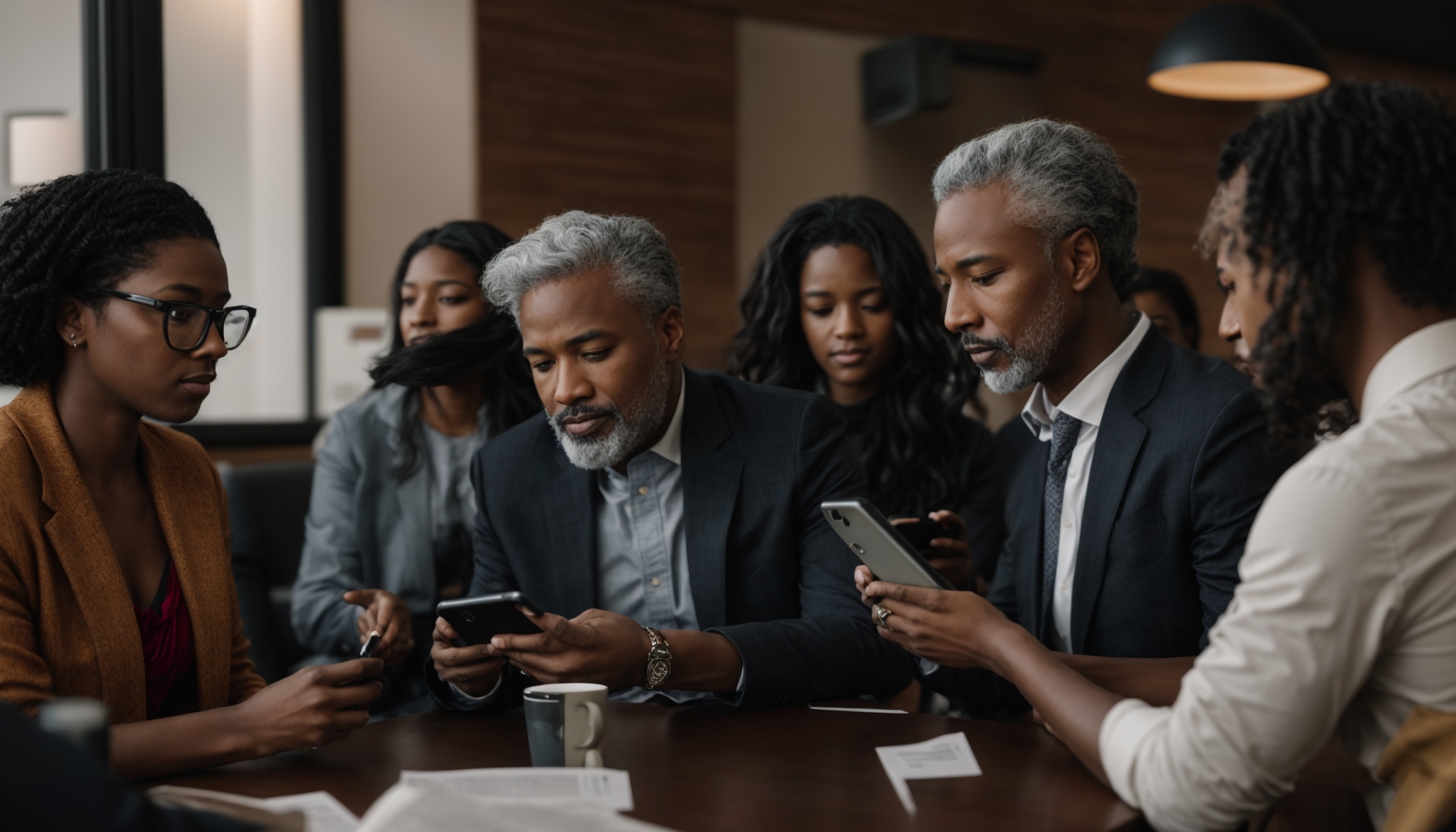
[SITE_NAME] – Society increasingly faces a scenario where why polarization became daily consumption dominates news feeds and social conversations, shaping how individuals perceive politics and culture.
Polarization is not a new phenomenon but understanding why polarization became daily consumption requires examining the underlying social and technological factors that have intensified divisions. The rise of social media platforms has accelerated exposure to partisan content, making polarized viewpoints omnipresent in everyday communication.
Traditional and digital media outlets contribute significantly to why polarization became daily consumption. Sensational headlines and algorithm-driven content prioritization feed users content that aligns with their existing biases, reinforcing echo chambers and driving further division within society.
One reason why polarization became daily consumption lies in its psychological grip. Humans are drawn to narratives that reinforce their identity and worldview. Content that evokes strong emotions such as fear or outrage tends to gain more engagement, explaining the persistent cycle of consuming polarized stories.
Read More: Political Polarization in the American Public
As society grapples with why polarization became daily consumption, its consequences manifest in reduced social cohesion and challenges to democratic deliberation. Addressing these issues requires fostering media literacy, encouraging cross-partisan dialogue, and promoting platforms that value diverse perspectives.
Ultimately, understanding why polarization became daily consumption enables individuals and institutions to mitigate its impact and rebuild more inclusive public spaces.
This website uses cookies.
