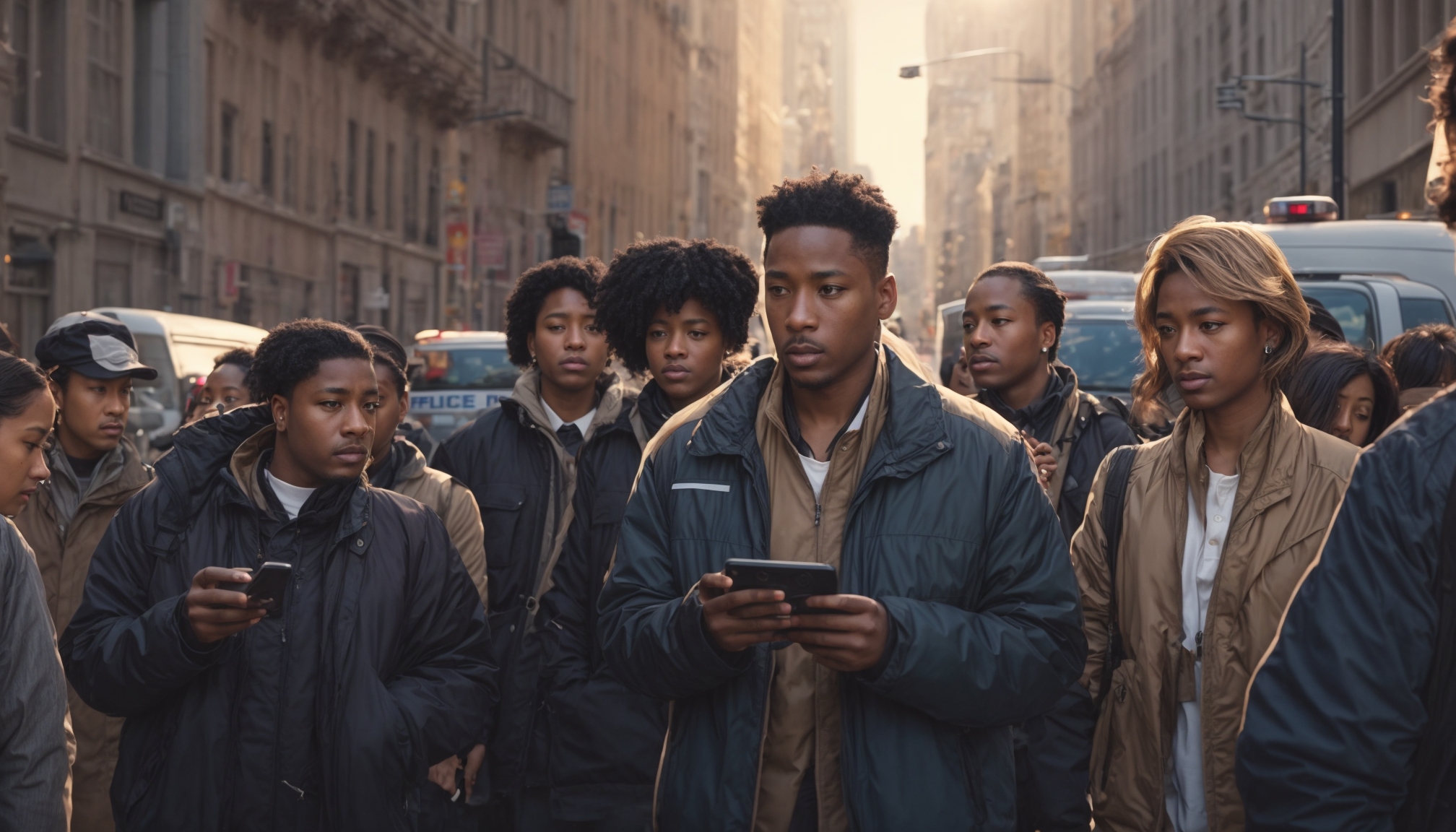
Josh Shear – Citizen-generated reports, videos, and posts are reshaping news flows as the citizen journalism impact on democratic debates, media trust, and crisis coverage grows rapidly across platforms.
Smartphones, social media, and messaging apps have transformed how information moves. The citizen journalism impact on traditional gatekeepers began when ordinary people started publishing breaking events before newsrooms arrived. Instead of waiting for TV crews, witnesses now stream incidents live.
Citizen journalism usually refers to non-professional individuals documenting events and sharing them publicly. They may write threads, record videos, or upload photos from the scene. However, they often lack formal training in verification, ethics, and media law.
This shift changes roles. Audiences no longer stay passive. In addition, they can challenge official narratives, expose hidden stories, and highlight local issues that large outlets ignore. On the other hand, the speed and volume of such content increase the risk of confusion and misinformation.
Supporters argue that the citizen journalism impact on democracy is largely positive. People on the ground can document abuses, disasters, and protests in real time. Their footage often becomes primary evidence for journalists, investigators, and human rights groups.
In many countries, independent media face censorship or intimidation. Citizen reporters can bypass some restrictions by posting directly to global platforms. As a result, local injustices gain international attention that authorities cannot easily silence.
Citizen contributors also improve diversity of coverage. They speak from different neighborhoods, identities, and backgrounds. Traditional outlets sometimes overlook these communities. However, citizen reporting can surface their stories, giving them a public voice.
Another benefit is scrutiny of power. The citizen journalism impact on accountability is visible when officials’ actions are filmed and shared widely. Viral videos have triggered investigations, policy reviews, and public debates that might never begin without citizen evidence.
Despite clear benefits, the citizen journalism impact on information quality can be deeply troubling. Many viral posts lack basic verification. Users often share dramatic content without context, leading to misinterpretations and panic.
False accusations spread quickly. A misidentified suspect, edited clip, or old photo reused as “breaking news” can destroy reputations. Meanwhile, corrections travel slowly. Platforms reward engagement, not accuracy, so emotional content outperforms careful reporting.
There are ethical problems too. Victims of violence or accidents may appear online without consent, in their most vulnerable moments. Citizen reporters sometimes ignore privacy, safety, and trauma-sensitive practices that trained journalists follow.
Sensational footage also affects public trust. When people repeatedly encounter hoaxes and misleading content, they struggle to distinguish factual reporting from rumors. Therefore, the citizen journalism impact on overall media credibility can be negative, even when some contributions are accurate.
Professional media cannot ignore the citizen journalism impact on daily reporting routines. Many newsrooms now monitor social platforms as primary sources for leads, eyewitness videos, and local contacts. However, they still need robust verification before broadcasting any material.
Editors often use reverse image search, metadata checks, and geolocation techniques to confirm authenticity. Meanwhile, they contact original uploaders for permission, context, and clarification. This process turns raw citizen content into verified news.
Some outlets create structured collaborations with audiences. They invite citizens to send photos, tips, and documents through secure channels. In addition, they publish clear guidelines on what to submit and how they will protect sources.
Training initiatives are also emerging. Organizations run short courses for community reporters about ethics, safety, and verification. When citizens understand basic standards, the citizen journalism impact on news ecosystems becomes easier to manage and more constructive.
The citizen journalism impact on trust cannot be separated from algorithms and platform policies. Social feeds decide which posts rise or vanish, often based on engagement metrics instead of reliability. This invisible filtering shapes what users believe is important.
When unverified citizen content appears alongside professional reports, many people treat them as equal. However, the production standards behind each post differ greatly. This confusion erodes the perceived value of trained journalism.
Meanwhile, platforms moderate content according to their own rules, not public-interest newsroom ethics. Harmful material may stay online, while essential footage of abuses gets removed incorrectly. On the other hand, collaborations between platforms and fact-checkers are slowly improving detection of viral hoaxes.
Read More: How viral social media videos are changing breaking news coverage worldwide
Debates about regulation intensify as the citizen journalism impact on public safety becomes more visible. Some experts call for stricter rules on sharing graphic content, doxxing, and incitement. Others warn that heavy-handed controls could silence whistleblowers.
Clear, narrowly tailored laws against harassment, defamation, and targeted hate are essential. However, they must protect legitimate reporting about public interest issues. Broad censorship tools would harm both citizens and professional journalists.
Media literacy is equally crucial. When audiences understand verification methods, bias, and manipulation tactics, they navigate citizen content more safely. Schools, NGOs, and newsrooms can teach people how to question sources and cross-check information.
In addition, platforms should provide transparent labeling. Marking unverified footage, adding context from fact-checkers, and explaining why content is limited can reduce confusion. Such steps moderate the citizen journalism impact on vulnerable communities during crises.
There are concrete steps that individuals can take to reduce harmful effects. Before posting, people can ask three questions: Is it accurate? Is it necessary? Could it hurt someone? This simple checklist already softens the negative citizen journalism impact on victims and bystanders.
Witnesses should blur faces of minors, crime victims, and uninvolved people when possible. They should avoid publishing exact home addresses, license plates, or private medical details. These practices protect privacy and reduce the risk of retaliation.
Moreover, sharing content with reputable newsrooms first can improve verification. Journalists can help check facts, offer safety advice, and provide secure channels. This collaboration allows citizens to contribute while benefiting from professional standards.
Communities can also support local training sessions for aspiring citizen reporters. Workshops on ethics, digital security, and legal risks help ensure that the citizen journalism impact on local discourse becomes more constructive than chaotic.
The growing citizen journalism impact on information flows is neither purely helpful nor entirely harmful. It expands visibility, challenges power, and diversifies voices. However, it also magnifies misinformation, privacy violations, and emotional manipulation.
Societies that invest in media literacy, ethical guidelines, and constructive collaboration between citizens and newsrooms will handle these tensions better. Meanwhile, platforms and regulators must protect free expression while addressing the most damaging abuses.
Ultimately, the balance of the citizen journalism impact on democracy depends on shared responsibility. Citizens, journalists, educators, and policymakers must all act carefully, so the powerful new tools in everyone’s hands strengthen public understanding instead of deepening confusion.
For deeper insight into how this shapes modern news, see how the citizen journalism impact on professional reporting continues to evolve in complex media ecosystems worldwide.
This website uses cookies.
