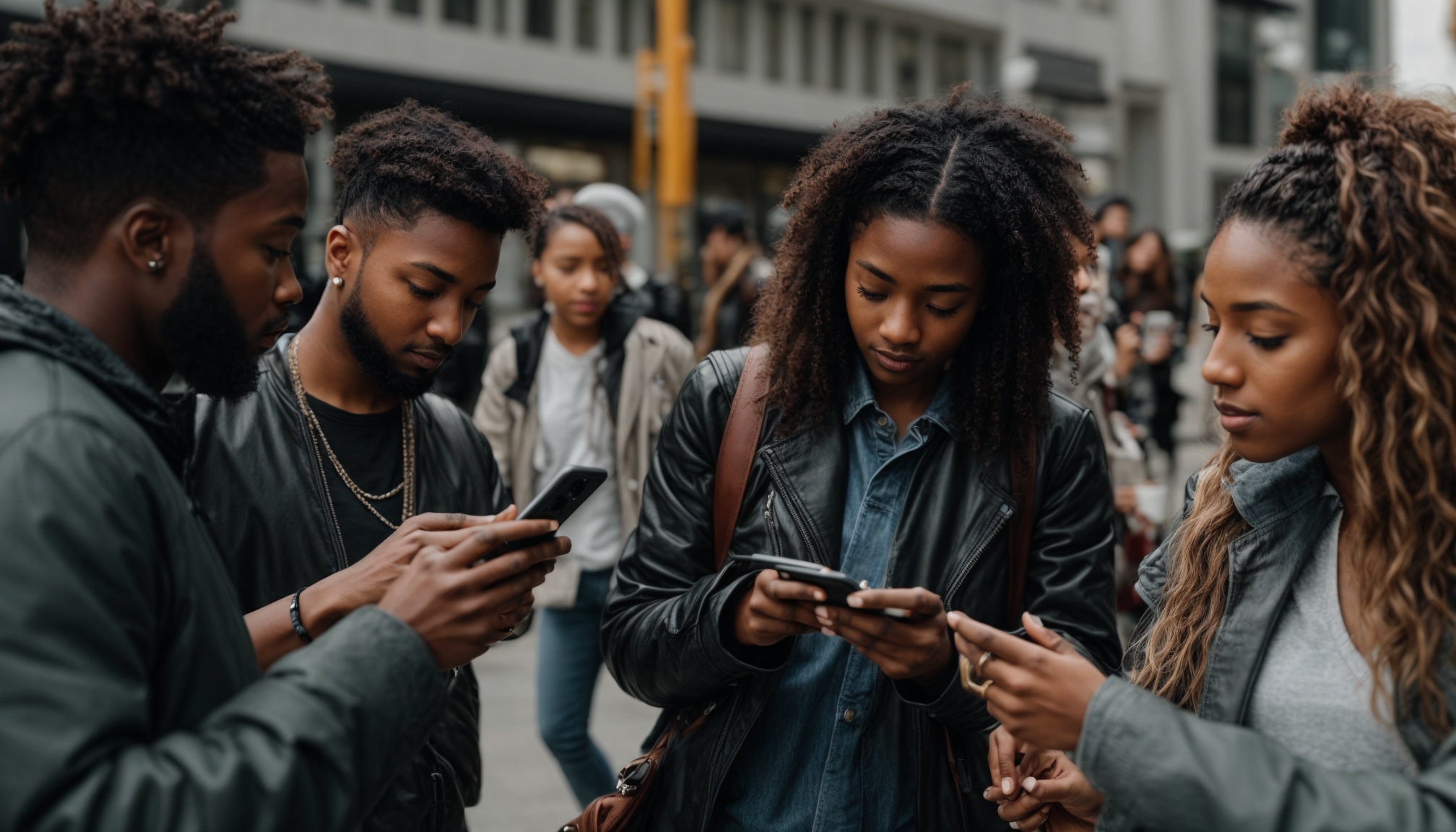
Josh Shear – Social media shapes public opinion in a way that has revolutionized communication and political engagement worldwide. Platforms like Twitter, Facebook, and Instagram have become key arenas where ideas, beliefs, and narratives are formed and contested in real time.
Social media shapes public opinion by providing unprecedented access to information and diverse viewpoints. Unlike traditional media channels, these platforms offer interactive spaces where users can share, debate, and mobilize around issues that matter to them. This change has led to faster dissemination of news and a more democratized exchange of ideas.
One critical factor explaining how social media shapes public opinion lies in its algorithmic curation. Algorithms tailor content to users’ preferences, which can reinforce existing beliefs and contribute to echo chambers. This dynamic intensifies emotional engagement and often deepens social polarization.
Read More: The Impact of Social Networks on Democracy
Social media shapes public opinion by fueling grassroots activism and online political mobilization. Hashtag movements and viral campaigns have transformed how citizens voice their concerns and hold leaders accountable. As a result, social media acts as a catalyst for social change and political participation.
While social media shapes public opinion by connecting millions globally, it also presents challenges such as misinformation and privacy issues. Addressing these concerns requires collaboration between platforms, governments, and users to foster a healthier digital public sphere.
Understanding how social media shapes public opinion remains crucial as these platforms continue to evolve and influence modern society.
This website uses cookies.
